
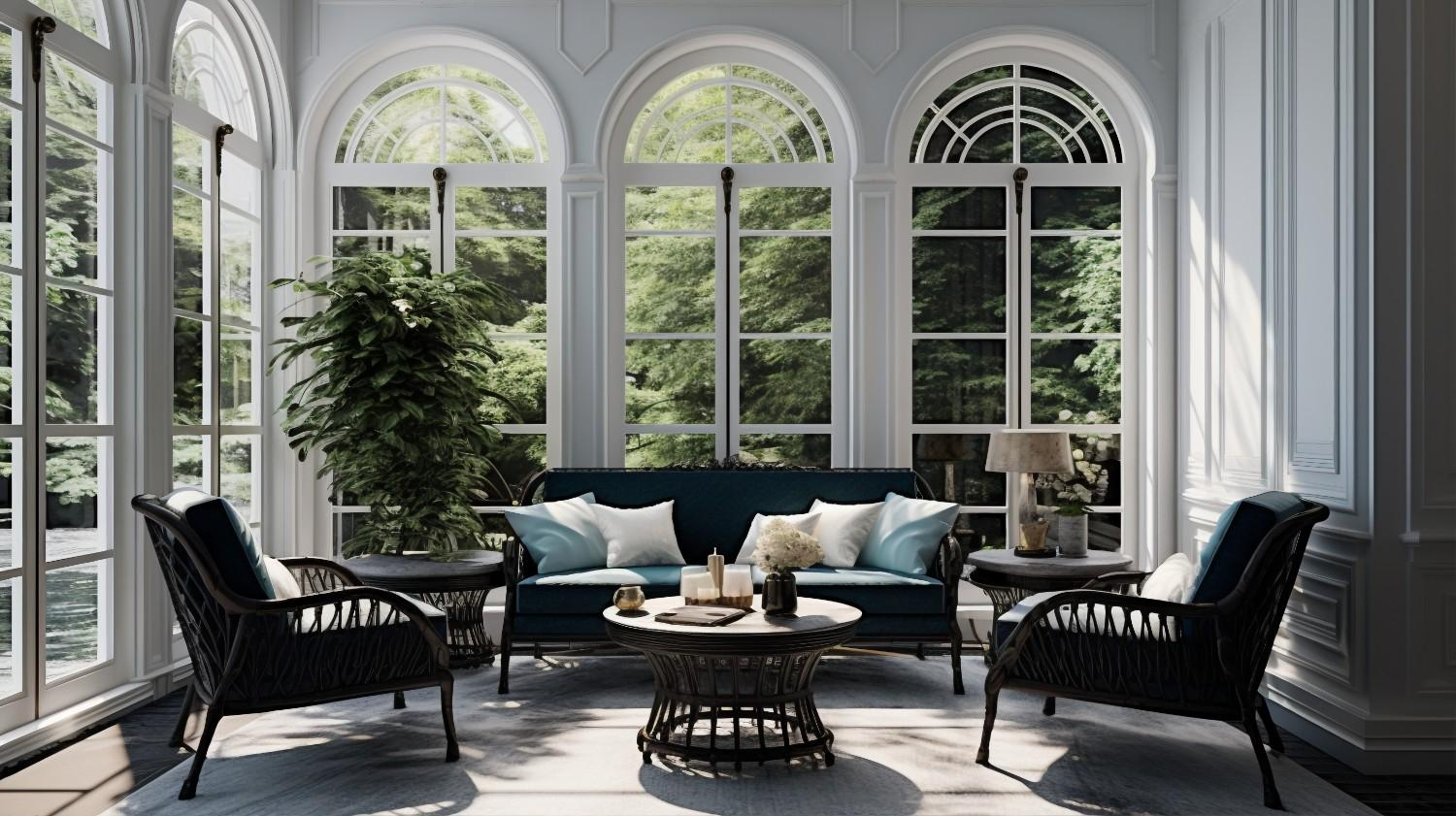
An orangery kitchen extension has become a popular choice for homeowners seeking additional space without compromising comfort or structure. Combining solid construction with carefully positioned glazing, an orangery creates a bright yet controlled environment suitable for everyday kitchen use. However, achieving a successful result depends on thoughtful planning and informed design choices from the outset. From layout and materials to temperature control and garden connection, every decision plays a role in long-term usability. This guide outlines how to plan and design an orangery kitchen extension with clarity, practicality and lasting value in mind.
An orangery is defined by its solid perimeter structure, typically incorporating brick pillars, insulated walls and a partially glazed roof. Unlike fully glazed conservatories, orangeries provide greater thermal stability and a stronger architectural presence. This balance allows natural light to enter without overwhelming the space.
For kitchen extensions, this structure is particularly effective. Kitchens generate heat, moisture and daily activity, all of which require insulation and ventilation. An orangery supports these needs while maintaining an open, connected feel. Modern designs blend traditional proportions with contemporary glazing systems, ensuring the extension integrates seamlessly with the existing home.
The defining feature of an orangery is control. Light, temperature and acoustics are managed more effectively than in lighter structures, making the space suitable for year-round kitchen use rather than seasonal enjoyment.
One of the main reasons homeowners select orangery kitchen extensions is comfort. Solid elements reduce heat loss during colder months while preventing excessive solar gain in summer, a benefit often associated with well-designed orangeries Cardiff. This stability allows the kitchen to remain functional regardless of external conditions.
Orangeries also improve spatial flow. By extending the kitchen into a larger, light-filled area, homeowners can create zones for cooking, dining and social interaction without sacrificing structure. The result is a balanced environment that feels open but grounded.
Aesthetically, orangeries offer versatility. Their architectural form complements both traditional and modern homes, while internal finishes can be tailored to suit personal style. This adaptability contributes to long-term appeal and usability.
Planning requirements for an orangery kitchen extension depend on size, placement and property type. Some projects may fall under permitted development, while others require formal approval. Understanding these limitations early helps prevent delays and redesigns.
Building regulations apply regardless of planning status. Structural integrity, insulation standards, ventilation and glazing performance must all meet current requirements. Kitchens add further considerations due to moisture and heat production.
Addressing compliance during the planning stage ensures the extension performs as intended and avoids costly corrective work later. Clear documentation and early checks support a smoother project timeline.
A well-designed layout is essential for daily kitchen use. Cooking, preparation and storage areas should follow a logical sequence, reducing unnecessary movement. In open-plan orangery kitchens, zoning helps maintain organisation while supporting social interaction.
Clear circulation paths prevent congestion and allow the space to function efficiently. Seating areas should complement rather than obstruct kitchen activity, maintaining comfort without compromising practicality.
Ceiling design plays a major role in how an orangery feels. Lantern roofs and roof glazing introduce daylight while maintaining structural presence. Columns and perimeter beams provide definition and visual balance.
These architectural elements also support insulation and lighting integration, helping the space remain comfortable and visually cohesive throughout the day.
Material choice affects both performance and appearance. Structural elements should provide durability and thermal efficiency, while internal finishes must withstand kitchen conditions.
Flooring should handle temperature variation, moisture and foot traffic without warping. Wall finishes need to support insulation while offering easy maintenance. Consistency with the existing home helps the extension feel intentional rather than added on.
Careful selection ensures longevity and reduces future maintenance requirements.
Controlling natural light is essential in an orangery kitchen. Glazing placement should maximise brightness without causing glare. Roof glazing benefits from solar-control specifications that regulate heat gain.
Ventilation is equally important. Cooking generates moisture and odours, which must be managed through effective extraction and airflow. Heating solutions should complement the structure, maintaining comfort without visual clutter.
Together, these elements create a balanced environment suitable for everyday use.
An orangery kitchen extension often acts as a transition between indoor and outdoor spaces. Door systems such as bifold or sliding doors support this connection, opening the kitchen to the garden when conditions allow.
Sightlines and orientation influence how the space feels throughout the day. Aligning glazing with garden features creates visual continuity and enhances usability. Homeowners investing in orangeriesoften prioritise this relationship to maximise both interior enjoyment and outdoor engagement.
Garden layout also plays a role. When planting, pathways and seating areas align with the extension, the result feels cohesive rather than fragmented. Coordination with gardeners in Cardiff can help ensure the orangery complements the surrounding landscape.
Establishing a clear budget framework prevents scope creep and unexpected costs. Structural complexity, glazing specification and interior finishes all influence overall investment.
Project scheduling should account for design approvals, construction phases and internal fit-out. Allowing adequate time for each stage reduces pressure and supports quality outcomes. Clear planning supports better decision-making and smoother project delivery.
Planning and designing an orangery kitchen extension requires careful consideration of structure, comfort and everyday functionality. From layout and materials to light control and garden connection, each decision shapes how the space performs long-term. By approaching the project with clarity and informed planning, homeowners can create an extension that feels integrated, practical and enjoyable throughout the year. When executed correctly, an orangery kitchen becomes a lasting enhancement to both lifestyle and property, reflecting the standards delivered by AO Builders Cardiff.