The imaginative structure represents the area of origin of aesthetically attractive spatial structures. It begins with a parsimonious conceptualization, emotive cue or a visionary simulation regarding the desired phenomenology of a destination. The interior design is the working machine through which such frame structures are converted into reality. It is an art form that goes beyond visual appeal, and is meant to produce the ambiences that make people feel at home, inspired and connected with the truth. A curriculum in interior design enables its learners to have the skills necessary to mould ideas into spaces that are meaningful and utilitarian as well as making them aesthetically arresting.
Our physiological and psychological conditions are all subject to perceptible impacts of everything within our spatial environment. Vibrant illuminated cafe boosts affective wellbeing, a serene bedroom helps to rest and be more productive, both help to focus concentration through scrupulously planned office. These commonplace experiences are inflated and controlled by interior design. Any layperson is free to indulge into ornamentation, whereas professional interior design requires a deeper involvement, which involves systematic approach, technical ability, and an empirically based understanding of human behavior. A formalized interior design program within the context therefore provides this key building block and a sophisticated professional practice based on inborn creativity.
The most important educational delivery of an interior design teaching is the teaching of designer-like thinking. The principles that are used to induce frontiers like balance, harmony, proportion, rhythm, act to provide order and aesthetic unity to the space. The decision making is guided by these doctrines which reduces the dissonance or discomfort in a design. With this type of knowledge, designers will rise beyond the superficial when making their judgments to evaluate what actually lies behind their taste decisions.
Space planning is an important aspect of the interior design pedagogy. Both spatial units are the embodiment of limits constrained by the dimensionality or the geometric arrangement or even financial conditions. An effective designer has the insight to work out of these limits. The Interior design courses also equip strategies of coming up with the spatial plans that facilitate unrestrained movement, strategic positioning of furniture, and efficient use of space. Such an ability is especially crucial in modern domestic and urban settings where spatial economy is becoming the most crucial one.
The other aspect of defining spatial identity is in materials and finishes. In a learning context, learners are given an understanding about various systems of materials, their feel, associated lifetime, expense, and maintenance needs. It is through such insight that the designers are in a position to choose the resources that find the balance between aesthetic value and pragmatism. The wise selection of materials also enables the environments to be habitable and functional in the long term temporal perspectives.
The lighting is often considered the soul of the interior design as it has the power of changing the mood of space at a glance. Educational programs teach the students on the proper usage of natural and artificial light. The art of ambient, task and accent lighting helps the designers to provide a cozy atmosphere that is not obtrusive and goal-oriented. Employing clever effects of lighting can help to turn small rooms into the perceived large ones and lend a sense of class to the small ones.
Due to the emergence of digital technology, the modern interior design practice has been transformed. Design software is also useful in creating accurate visualization thus helping the students generate accurate renderings and three dimensional representation which illuminates the proposed results to the clients before construction starts. This technology awareness will build customer confidence, provide high levels of communicative effectiveness, and reduce the rate of project implementation errors.
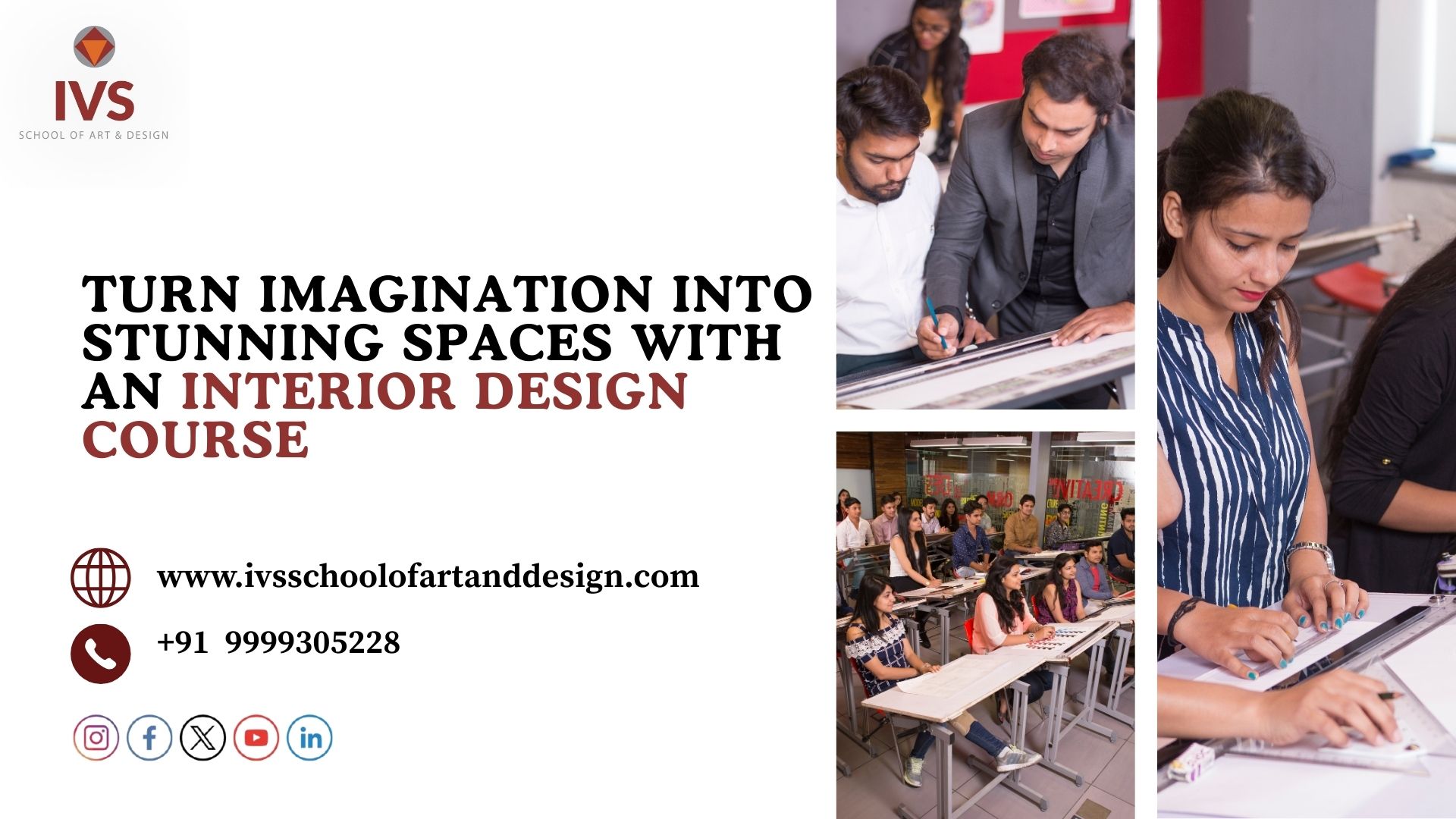
Practice is something that can never be shunned in the complete achievement of interior design training. Most curriculums include workshops, field checks and internship, which provides the participants with an insight to the actual operations. With these immersions, the students get to know how the theoretical designs are translated to the field, collaborate with contractors and how to handle the clients. Real world practice prepares them to handle real professional problems.
Interior design does not just involve the manipulation of space to include human interaction. Programs promote the growth in the area of communication and presentation. Designers will be taught to listen, sense emotionally to the nuances and to transform personal stories into design. These competencies are the foundation of the maintenance of strong client relationships and admirable career path.
Vocationally, the field of interior design has a variety of career opportunities. There are residential, commercial, hospitality, retail or cinematic set design graduates. Other practitioners get absorbed in established enterprises whereas others open up independent studios. The need to have skilled designers is ever-growing due to the increased tendencies in society to have carefully designed, customized environments.
To conclude, it can be said that it is the Interior Design Course which translates the realm of imagination to the pragmatic life workable. It provides creative people with confidence, knowledge, and instrumental abilities which are required to create spaces with quantitative influence. Interior design as a profession cannot be discussed as a mere vehicle but rather as an amplifier of the human experience as it allows creating environments full of comfort, purpose, and aesthetic excellence.
These education systems enable designers to leave a trace of a certain aesthetic besides having a favorable impact on everyday life, work activities, and psychological wellness. To individuals who treasure creative expression and significant questions interior design looks like a very human absorbing and emotionally fulfilling work choice that comprises of culture and lifestyle obstacles.
Interior design, fine arts, applied art, and visual communication courses are among the professional courses offered by IVS School of Art & Design. IVS assists students in transforming their creativity into lucrative careers through knowledgeable instructors and practical experience.