
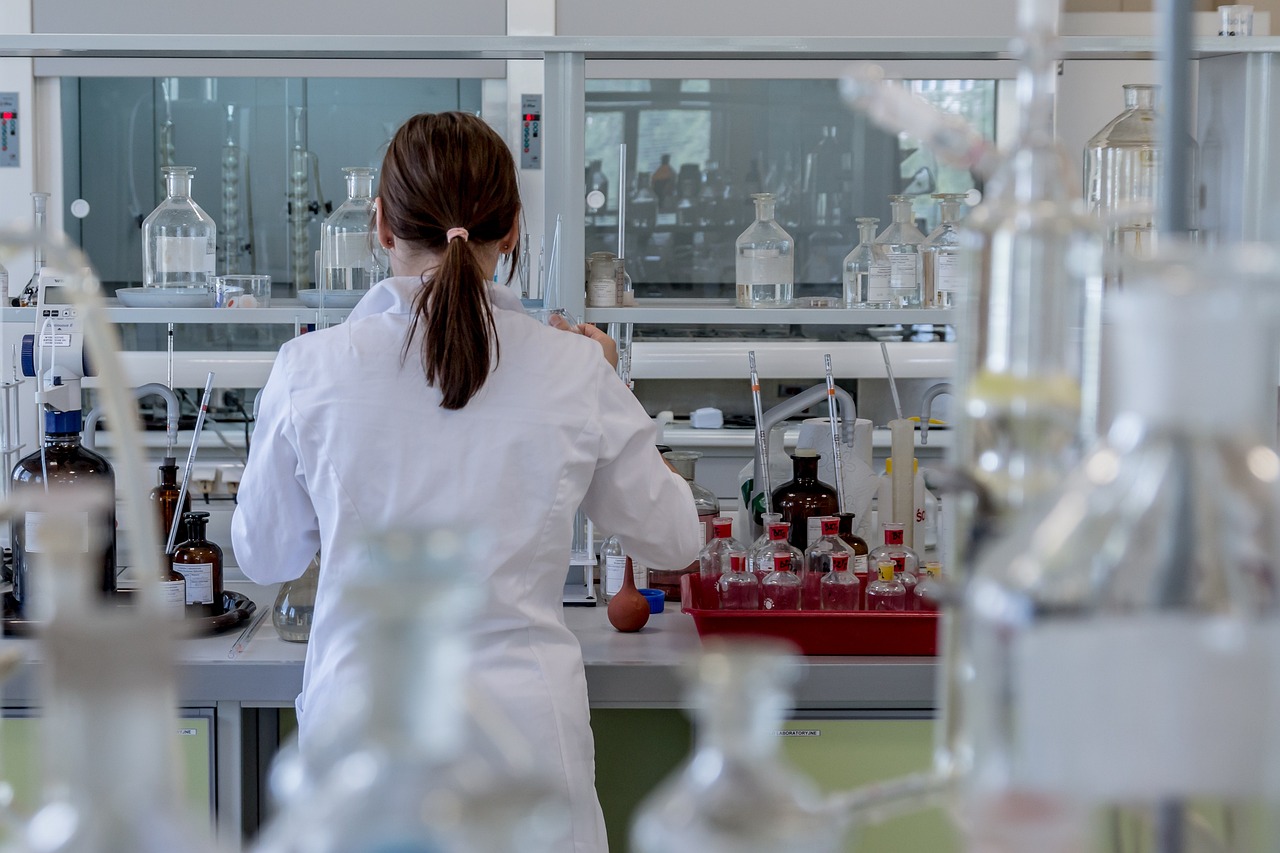
Laboratory equipment forms the backbone of scientific research and experimentation by providing precise tools necessary for accurate measurements and controlled testing. It ranges from basic supplies like glassware and flasks to advanced instruments such as centrifuges and microscopes, all designed to meet strict industry standards. Proper laboratory equipment ensures reliable results, enhances efficiency, and supports innovation across various fields.
The choice of equipment varies depending on the specific needs of a laboratory, whether for educational purposes, research and development, or clinical testing. Reliable suppliers offering quality products are essential for maintaining the integrity of scientific work. Understanding the key types and functions of lab equipment helps labs operate smoothly and achieve their goals.
Scientists and researchers rely on these tools daily to carry out experiments, analyze data, and develop new technologies. The right equipment not only improves productivity but also reduces errors, making it indispensable in any scientific setting.
Types of Laboratory Equipment
Laboratory equipment covers a range of tools essential for measurement, processing, and maintaining experimental conditions. These tools vary greatly depending on their function, from precise analytical devices to containers and apparatus for handling substances, to systems that control temperature.
Analytical Instruments
Analytical instruments are devices designed to measure physical, chemical, or biological properties with high precision. Common types include spectrophotometers, chromatography systems, and pH meters. These instruments help quantify concentrations, identify compounds, and monitor reactions.
They often incorporate digital displays and data logging for accuracy and repeatability. Calibration and proper maintenance are critical for reliable results. Their use spans across chemistry, biology, and environmental science, where precise data guides experimental conclusions.
Glassware and Plasticware
Glassware and plasticware refer to containers and tools made primarily of glass or plastic used for holding, mixing, and measuring substances. Examples include beakers, flasks, test tubes, pipettes, and petri dishes.
Glass is preferred for high-temperature applications and chemical resistance. Plasticware is lightweight and often disposable, suitable for biological assays or routine handling. Proper selection depends on the experiment’s chemical requirements and handling needs.
The materials impact durability and reusability. Researchers must ensure cleanliness and compatibility with reagents to avoid contamination.
Heating and Cooling Devices
Heating and cooling devices regulate temperature during experiments, which is vital for controlling reaction rates and preserving samples. Common heating tools include hot plates, Bunsen burners, and heating mantles.
Cooling equipment includes refrigerators, freezers, and chillers used to store samples or slow down reaction processes. Precise temperature control is essential to avoid degradation or unwanted side reactions.
Some devices feature programmable settings and safety mechanisms like automatic shutoff. These instruments support consistent experimental conditions and enhance reproducibility.
Laboratory Equipment Safety and Maintenance
Proper handling, routine upkeep, and precise calibration are critical for the reliable operation and longevity of laboratory equipment. Ensuring safety protocols and methodical procedures protects both personnel and the integrity of results.
Proper Usage Guidelines
Laboratory personnel must strictly follow manufacturer instructions and established protocols when using equipment. Access to user manuals should be easy, allowing users to reference proper handling procedures at any time. Only trained individuals should operate specialized or hazardous devices to prevent accidents or equipment damage.
Correct storage is essential. Items should be kept in environments that meet temperature, humidity, and cleanliness requirements outlined by the manufacturer. Misuse or careless operation often leads to premature wear or malfunction, increasing downtime and repair costs.
Personal protective equipment (PPE) should be utilized as dictated by risk assessments. This protects users from chemical, biological, or mechanical hazards associated with certain instruments.
Regular Maintenance Procedures
Routine maintenance involves scheduled cleaning, inspection, and minor repairs conducted by qualified personnel to prevent unexpected breakdowns. Daily cleaning removes residues and contaminants that can interfere with equipment function.
A maintenance checklist often includes:
Professional servicing should be performed based on the manufacturer’s recommended intervals or after extensive use. Using trained technicians minimizes the risk of improper repairs.
Maintaining detailed logs of all maintenance activities ensures accountability and tracks equipment history for safety audits.
Calibration and Quality Assurance
Calibration verifies that equipment produces accurate and consistent results. It must follow strict schedules, especially for instruments involved in measurements or data collection affecting experimental outcomes.
Calibration procedures typically include:
Quality assurance programs incorporate calibration as a cornerstone in validating equipment reliability. This reduces errors and supports compliance with industry regulations and research protocols.
Failure to maintain calibration can invalidate experimental data and compromise safety by causing incorrect readings. Therefore, laboratories prioritize scheduled calibrations and retain records for review.