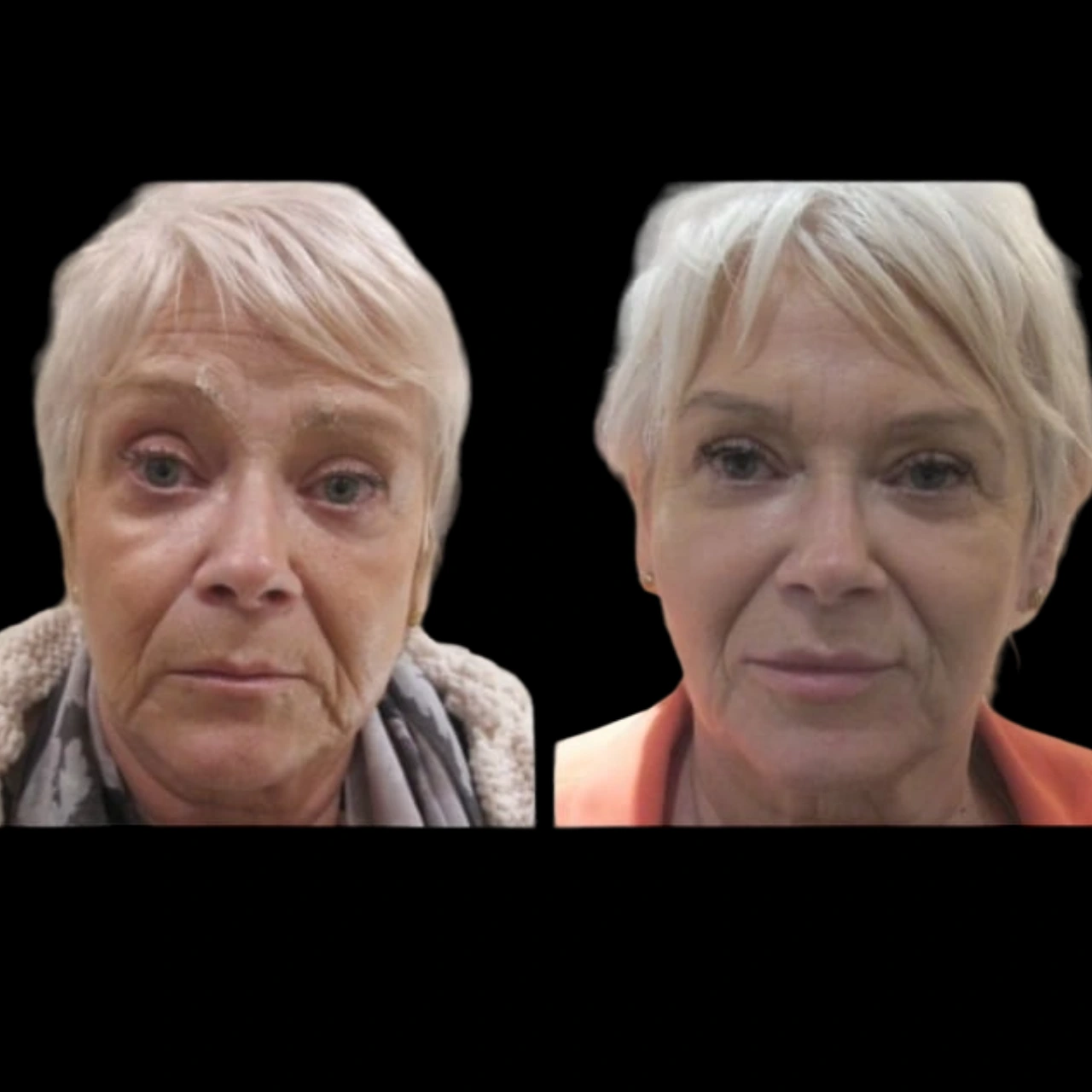

Naturopath women’s health focuses on treating the whole person by addressing hormone balance, digestive health, fertility, and chronic conditions through natural and personalized approaches. It integrates nutrition, herbal medicine, and lifestyle adjustments to tackle root causes rather than just symptoms. This holistic method supports women in managing health concerns like menopause, pelvic health, and mood disorders with minimal reliance on pharmaceuticals.
Many naturopathic practitioners specialize in women’s health, offering individualized care that considers each patient’s unique history and biological factors. This helps create tailored treatment plans that often include functional lab testing and natural therapies aimed at improving overall well-being and preventing chronic disease.
By combining traditional knowledge with modern science, naturopathic medicine provides a comprehensive path to women’s health that can complement conventional care. This approach appeals to those seeking more natural, integrative solutions for long-term health challenges.
Principles of Naturopathic Women’s Health
Naturopathic women’s health rests on a foundation that integrates natural healing with individualized care. It prioritizes the body’s innate healing abilities while addressing physical, emotional, and hormonal factors specific to women’s health needs.
Core Tenets of Naturopathy
Naturopathy centers on the principle of supporting the body’s natural capacity to heal. It emphasizes prevention and treats the root causes rather than just symptoms. This approach avoids invasive procedures and pharmaceuticals when possible, favoring natural therapies like herbal medicine, nutrition, and lifestyle changes.
Key principles include:
These tenets guide treatment plans that respect each woman’s unique health journey, encouraging balance between mind, body, and spirit.
Individualized Women’s Healthcare Approaches
Treatment in naturopathic women’s health is tailored to individual hormonal profiles, lifestyle, and health history. Practitioners develop strategies that may combine nutrition, botanical medicine, acupuncture, and bioidentical hormone therapies based on specific conditions like menstrual disorders, fertility concerns, or menopausal symptoms.
Personalization involves:
This adaptive focus enables care that adjusts with life stages, ensuring ongoing support from adolescence through menopause.
Holistic Assessment and Diagnosis
The diagnostic approach in naturopathic women’s health integrates physical exams with a thorough review of emotional and environmental factors. It includes lab testing alongside evaluation of lifestyle habits, mental health, and stress responses.
A comprehensive assessment often covers:
The aim is to identify all contributors to health concerns, ensuring that treatments target root causes for lasting effects rather than temporary relief.
Integrative Therapies for Women’s Health
Integrative therapies for women’s health address hormonal balance, support reproductive function, and promote overall wellness through targeted nutrition, herbal medicine, and lifestyle changes. These approaches combine science and tradition to create personalized care.
Nutritional Strategies for Hormonal Balance
Diet plays a critical role in regulating hormones such as estrogen, progesterone, and insulin. Emphasizing whole foods high in fiber—like vegetables, fruits, and legumes—helps support liver detoxification, which is essential for hormone metabolism. Healthy fats from sources like avocados, nuts, and omega-3 rich fish promote hormone synthesis and reduce inflammation.
Limiting processed foods, refined sugars, and excessive caffeine can improve symptoms related to PMS, PCOS, and menopause. Additionally, key nutrients like magnesium, vitamin D, and B vitamins assist in balancing mood and energy levels. Nutritional strategies are often tailored based on individual hormonal assessments for targeted support.
Herbal Medicine for Women’s Wellness
Herbal medicines are frequently used to manage symptoms such as menstrual pain, hot flashes, and mood disturbances. Plants like chasteberry (Vitex agnus-castus) regulate menstrual cycles and reduce PMS symptoms by influencing pituitary hormones. Black cohosh and red clover are commonly used during menopause to ease hot flashes and improve sleep quality.
Herbs are selected based on safety profiles and evidence for specific conditions, often used alongside conventional treatments. Dosage and duration are customized, and naturopathic practitioners monitor for herb-drug interactions. These natural compounds provide an alternative or complementary option within a comprehensive care plan.
Lifestyle Interventions for Reproductive Health
Lifestyle adjustments impact reproductive health by reducing stress, supporting metabolic function, and enhancing sleep quality. Regular moderate exercise improves insulin sensitivity and hormone regulation, vital for conditions like PCOS. Stress reduction techniques such as yoga, meditation, or breathing exercises help lower cortisol, which can disrupt menstrual cycles.
Sleep hygiene practices—including consistent bedtimes and limiting screen exposure—support circadian rhythms and hormone production. Smoking cessation and reducing alcohol intake further enhance reproductive outcomes. These interventions empower women to actively participate in their health management across life stages.