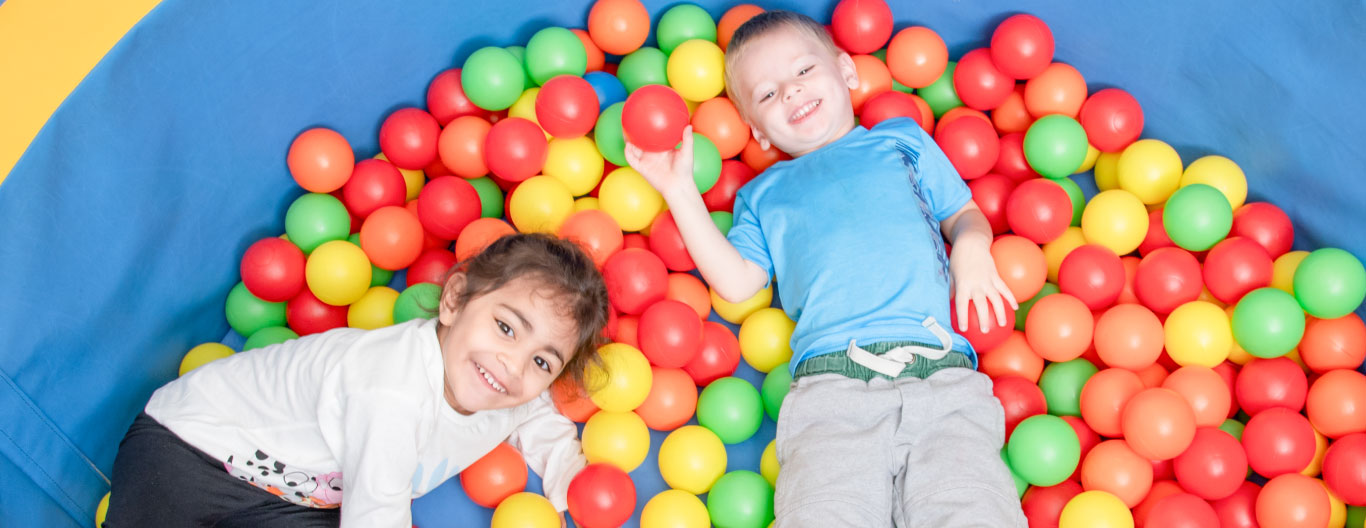
Early childhood is a critical period for developing social skills that shape how children communicate, collaborate, and build relationships later in life. During these formative years, structured and unstructured group activities play a powerful role in helping children understand themselves and others. A nursery JBR environment that emphasizes group interaction creates daily opportunities for young learners to practice sharing, empathy, cooperation, and problem-solving in a natural and supportive setting.
This article explores how group activities in early learning spaces support social growth, why they are essential in the early years, and how thoughtfully designed experiences help children gain confidence and emotional awareness.
Social development refers to a child’s ability to interact positively with others, manage emotions, follow social norms, and form healthy relationships. In early childhood, this development happens rapidly as children move from parallel play to cooperative play, learning that their actions affect others.
Group-based experiences allow children to:
These skills cannot be fully developed in isolation. They require real-life interaction, repetition, and guidance within a group setting.
Group activities provide structured opportunities for children to interact in a safe, guided way. Unlike free play alone, group activities introduce shared goals, roles, and expectations. This helps children learn how to participate, listen, and respond appropriately.
Key benefits of group activities include:
Over time, these experiences help children transition smoothly into larger social environments such as primary school.
Circle time is one of the most effective group activities for social learning. Children sit together and engage in songs, stories, or guided conversations. This simple setup encourages eye contact, turn-taking, and respectful listening.
During circle time, children learn:
These early communication skills form the foundation for classroom participation later on.
Group games that involve shared materials or goals encourage cooperation and patience. Activities such as building with blocks together, role-playing, or simple team games help children understand the concept of working as a unit.
Through collaborative play, children develop:
These experiences teach children that success is often achieved together, not alone.
Art, music, and movement-based group activities offer unique opportunities for self-expression while interacting with others. Group painting, singing, or dancing allows children to express emotions and ideas creatively while respecting shared space and materials.
Social benefits of creative group activities include:
Creativity also helps children bond, strengthening peer relationships.
Group storytelling and role play encourage children to step into different perspectives. Acting out stories or imaginary scenarios helps children understand emotions, social roles, and consequences of actions.
These activities support:
By pretending to be different characters, children learn how others might feel in various situations.
While group activities are powerful, adult guidance is essential to maximize their impact. Educators play a key role in modeling positive behavior, guiding interactions, and supporting children through challenges.
Effective educators:
This balance of structure and freedom allows children to explore social interactions confidently.
For social growth to thrive, children must feel emotionally safe. Inclusive group activities ensure that every child, regardless of personality or ability, feels valued and included.
Inclusive practices include:
When children feel accepted, they are more likely to engage, communicate, and form meaningful connections.
The social skills developed in early childhood extend far beyond nursery years. Children who regularly participate in group activities often show:
These skills support academic success, mental well-being, and positive relationships throughout life.
Social development does not stop at the nursery door. Families can reinforce group-based learning by encouraging playdates, family games, and shared activities at home.
Simple ways to support social growth include:
Consistency between home and early learning environments strengthens social understanding.
Group activities are a cornerstone of healthy social development in early childhood. Through shared play, creative expression, and guided interaction, children learn essential skills that prepare them for future social and academic success. A nurturing environment that values cooperation, empathy, and communication helps children grow into confident and socially aware individuals.
As families explore early learning options, understanding the role of group activities can help them choose environments that prioritize meaningful social experiences. This focus on social growth is equally valued across various communities, including JLT nurseries, where group-based learning continues to support children in building strong foundations for life.