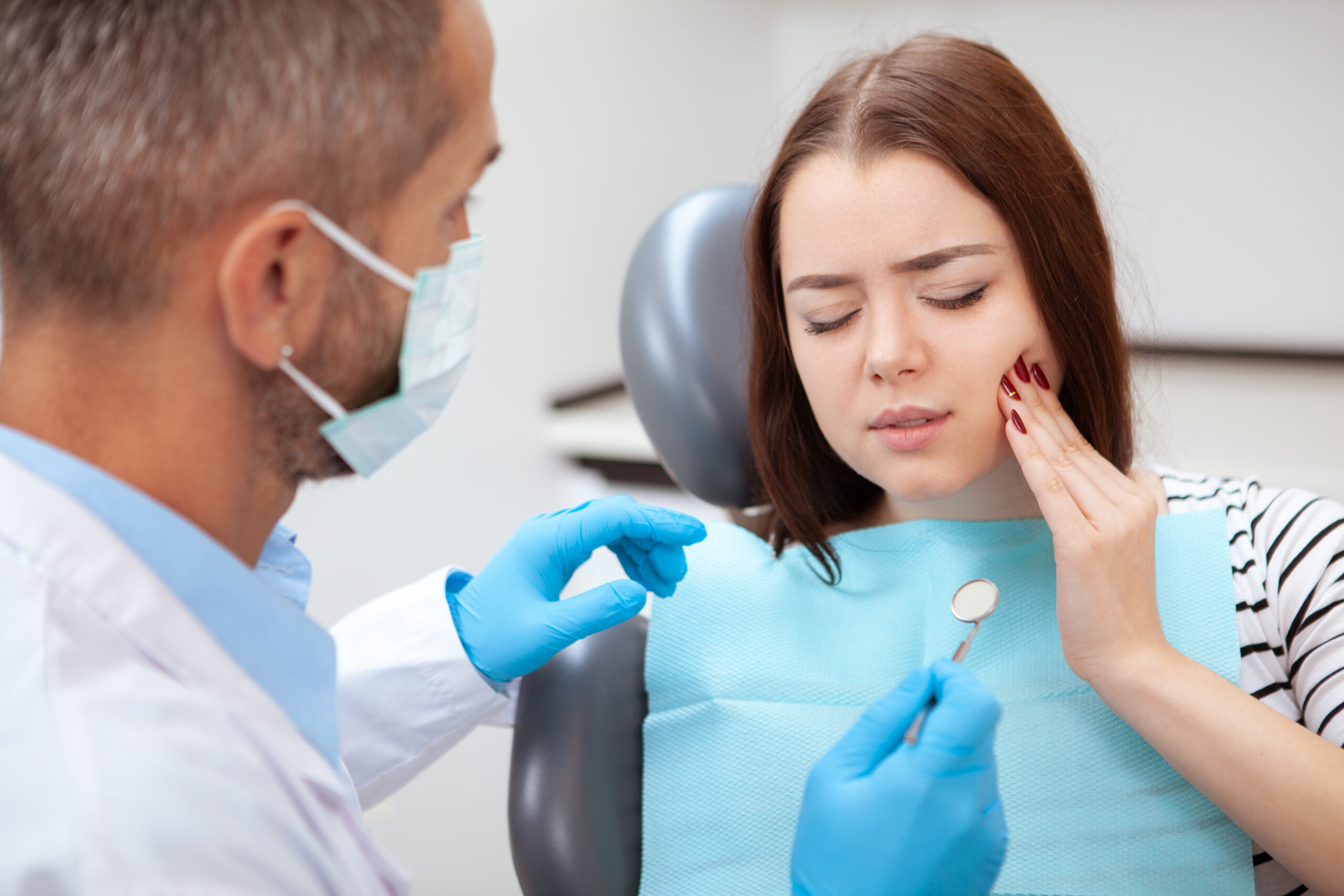

Bruxism, commonly referred to as tooth grinding, is a condition that affects a significant portion of the population. While occasional grinding may go unnoticed, habitual bruxism can have serious implications for your oral health, leading to worn enamel, jaw discomfort, headaches, and even damage to existing dental restorations. Recognising the condition early and implementing modern preventive solutions can help protect your teeth and improve your overall quality of life.This guide explores the causes and symptoms of bruxism, highlights potential risks, and discusses modern solutions that effectively manage tooth grinding, helping patients maintain healthy and functional smiles.
Bruxism is the involuntary clenching or grinding of teeth, which can occur during sleep or while awake. It is generally classified into two types:
The causes of bruxism are multifactorial, with stress, anxiety, misaligned teeth, sleep disorders, and lifestyle habits contributing dental implant Leicester specialists note that while occasional grinding may be harmless, chronic bruxism can result in serious dental damage if left untreated.

Early detection is key to preventing long-term damage. Common signs and symptoms of bruxism include:
Recognising these signs early allows patients to seek professional advice and implement protective strategies before severe damage occurs.
Left untreated, bruxism can result in a range of dental and oral health complications:
Understanding these risks emphasises the importance of timely intervention and adoption of modern solutions to protect teeth and jaw function.
Fortunately, there are effective modern strategies to manage and prevent damage caused by bruxism. These treatments vary based on severity, underlying causes and patient needs.
Custom-fitted dental guards are widely used to protect teeth during sleep. These devices prevent direct tooth-to-tooth contact, reducing enamel wear and alleviating jaw muscle strain. Dental guards are available in various materials and can be tailored to individual dental structures for maximum comfort and effectiveness.
Since stress is a primary trigger for both daytime and sleep bruxism, incorporating stress-reduction strategies can be highly beneficial. Techniques such as meditation, yoga, deep-breathing exercises, and cognitive behavioural therapy (CBT) can significantly reduce the frequency and intensity of tooth grinding episodes.
Misaligned teeth can exacerbate bruxism. Dental professionals may recommend bite adjustments, orthodontic treatment, or restorative procedures to correct alignment issues. This not only reduces grinding pressure but also improves overall oral function.
In severe cases, prescribed medications such as muscle relaxants or anti-inflammatory drugs may help relieve jaw tension and discomfort. These treatments are generally short-term solutions and are most effective when combined with other strategies.
For chronic bruxism unresponsive to conventional methods, Botox injections into the jaw muscles can reduce overactivity, easing both muscle tension and grinding intensity. This treatment is increasingly popular among patients seeking a non-invasive approach to managing bruxism.
| Treatment | Benefit |
| Dental Guard | Protects teeth from wear and damage |
| Stress Management | Reduces grinding frequency |
| Bite Adjustment | Improves alignment and reduces jaw strain |
| Medications | Relieves jaw tension and pain |
| Botox | Reduces overactive jaw muscles |
These solutions can be used individually or in combination depending on the severity of bruxism and patient-specific needs.
In addition to professional treatments, lifestyle changes can greatly enhance outcomes and minimise the risk of further tooth damage. Recommended practices include:
Combining these habits with professional treatment enhances recovery and ensures long-term protection of teeth and jaw health.

Early intervention is crucial to prevent permanent dental damage. You should consult a dentist if you experience:
Dental professionals in Leicester offer comprehensive care for patients experiencing bruxism, including custom-fitted guards, bite adjustments, and restorative treatments to manage tooth grinding Leicester effectively. For patients who have suffered dental damage due to chronic grinding, clinics providing Dental Implant Leicester services can restore both function and aesthetics, ensuring long-term oral health and confidence in your smile.
Bruxism is more than a minor annoyance; it can significantly impact oral health and overall well-being if left unmanaged. Modern treatments, including dental guards, stress management, bite corrections, and Botox, offer effective ways to protect teeth and alleviate jaw discomfort. For residents in Leicester seeking expert solutions for bruxism and dental restoration, Smilo Dental Implant provides comprehensive services, including Dental Implant Leicester and Tooth Grinding treatments. With personalised care and modern interventions, patients can protect their teeth, relieve jaw tension, and enjoy a healthy, confident smile.