Modern work demands structure, speed, and clarity. That’s exactly where a project management tool steps in.
A project management tool is a digital platform that helps teams organize work, assign responsibilities, track progress, and deliver projects on time. Instead of juggling spreadsheets, emails, and meetings, everything lives in one place.
It’s like having a shared brain for your entire team—everyone knows what’s happening without asking a dozen questions.
Businesses rely on project management tools because they reduce confusion, improve productivity, and keep projects aligned with goals. When work is visible, mistakes decrease and results improve.
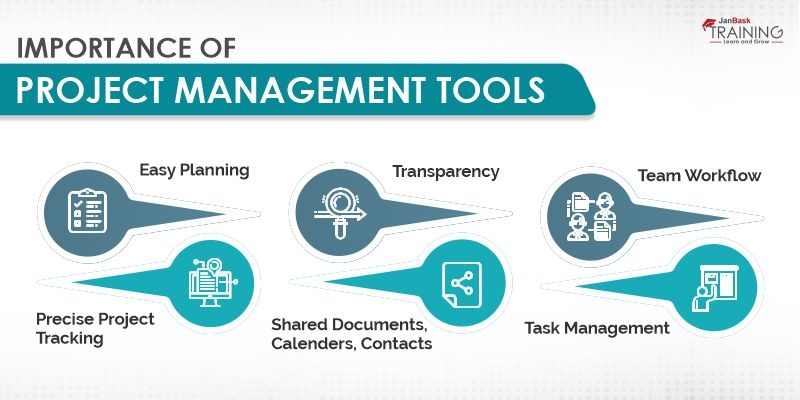
Every project starts with a plan. Project management tools help break big goals into smaller, manageable tasks with clear deadlines.
Once work begins, the tool tracks progress in real time. Managers can instantly see what’s on track and what needs attention.
After completion, performance data helps teams identify strengths and areas for improvement—turning every project into a learning opportunity.
Tasks define what needs to be done and in what order.
Subtasks break complex work into bite-sized actions, making large projects feel achievable.
Time tracking shows how long tasks take, helping teams estimate future projects more accurately.
Real-time notifications keep everyone informed. No more chasing updates or missed messages.
Dashboards present data visually, making it easy to understand project health at a glance.
Best for structured projects with fixed requirements, such as construction or manufacturing.
Ideal for fast-moving teams that need flexibility and continuous improvement, especially in software development.
Visual boards help teams manage ongoing work and maintain steady progress.
Everyone knows what’s happening—no surprises, no guesswork.
Assigned tasks mean clear ownership and responsibility.
With real-time data, managers can make informed decisions quickly.
Workloads are balanced, preventing burnout and bottlenecks.
Manual tracking is prone to errors. Digital tools provide accurate, up-to-date information.
As teams grow, project management tools grow with them.
Instant updates ensure alignment across departments and locations.
Choose a tool that aligns with how your team works, not the other way around.
Every team is different. Custom workflows make tools more effective.
Strong security ensures sensitive project data stays protected.
Good support ensures smooth adoption and long-term success.
Campaign planning, deadlines, and approvals become easy to manage.
From idea to launch, everything stays organized and transparent.
Timelines, vendors, and logistics are tracked effortlessly.
Process tracking and compliance management become streamlined.
Too many steps slow teams down. Keep it simple.
Your team uses the tool daily—listen to them.
Regular check-ins ensure the tool continues to deliver value.
Automation saves time and reduces human error.
Accurate data leads to better decisions.
Reports turn raw data into actionable insights.
AI will predict delays, suggest improvements, and optimize workflows.
Future tools will forecast risks before they happen.
Work will be managed anytime, anywhere.
A project management tool is no longer just a nice-to-have—it’s a necessity. It brings order to chaos, clarity to confusion, and momentum to teams. Whether you’re running a startup or managing enterprise projects, the right tool can completely transform how you work.
Yes, it offers more automation, visibility, and collaboration than spreadsheets.
Many affordable options exist for small and medium-sized teams.
They are designed specifically to support remote and hybrid work environments.
Most tools are intuitive, and basic training is usually enough.
They reduce confusion, streamline workflows, and keep teams focused on priorities.