
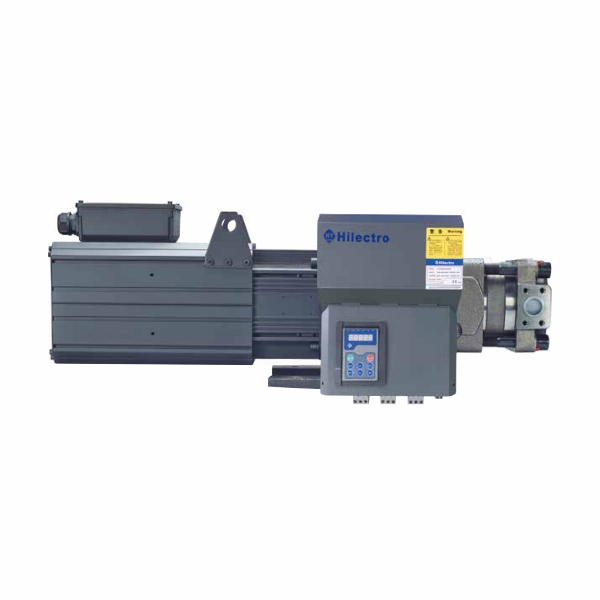
Smart factories are no longer a future concept. In 2026, they will become the standard for manufacturers who want higher productivity, better quality control, and energy efficiency. At the heart of every smart factory lies one critical component—the servo system. Choosing the right servo system is essential for automation success, machine accuracy, and long-term scalability.
This guide will help you understand how to select the best servo system for smart factories in 2026, even if you are not a technical expert.
A servo system is a closed-loop control system that includes a servo motor, servo drive, encoder, and controller. Together, these components deliver precise control of speed, position, and torque.
In smart factories, servo systems play a key role in:
With Industry 4.0 evolving into Industry 5.0, servo systems must now support connectivity, data monitoring, and intelligent control.
In 2026, factories are more connected, flexible, and data-driven than ever before. Selecting the wrong servo system can lead to:
On the other hand, the right servo system improves productivity, reduces maintenance costs, and supports future upgrades without major changes.
Start by understanding your application needs. Ask simple questions:
For example, robotics and pick-and-place applications require high-speed and high-accuracy servo motors, while conveyor systems may focus more on torque and durability.
Load analysis is one of the most important steps in servo system selection. You should evaluate:
Selecting an undersized servo motor can cause overheating, while an oversized motor increases energy consumption and cost.
Energy efficiency is a top priority for smart factories in 2026. Modern servo systems are designed to:
Look for servo drives with energy-saving modes and regenerative features to reduce overall operational costs.
A smart factory depends on seamless communication between machines. Your servo system should support popular industrial communication protocols such as:
This ensures smooth integration with PLCs, HMIs, SCADA systems, and cloud-based monitoring platforms.
Encoders play a critical role in servo system accuracy. In 2026, absolute encoders are preferred because they:
High-resolution feedback ensures smoother motion, better repeatability, and higher product quality.
The servo drive acts as the brain of the servo system. A modern servo drive should offer:
Advanced servo drives help reduce commissioning time and allow faster troubleshooting, which is essential for smart factories operating 24/7.
Safety is a major concern in automated factories. In 2026, servo systems must comply with international safety standards. Look for built-in safety functions such as:
These features protect workers while maintaining machine productivity.
Smart factories evolve continuously. Your servo system should support future expansion without major redesigns. Choose systems that:
Future-ready servo systems help manufacturers stay competitive as automation technologies advance.
Modern servo systems offer built-in diagnostics that help predict failures before they happen. This is a key advantage in smart factories where downtime is costly.
Features to look for include:
Predictive maintenance reduces unexpected breakdowns and extends equipment life.
Sustainability is a growing focus in industrial automation. Servo systems should meet environmental standards by:
Selecting environmentally responsible servo systems aligns with global sustainability goals and corporate responsibility.
In smart factories, the most commonly used servo motors include:
These motors offer better speed control, higher torque density, and smoother operation compared to traditional motors.
While price is important, it should not be the only deciding factor. A low-cost servo system may lead to higher maintenance and replacement costs over time.
Consider:
Investing in a reliable servo system delivers better returns in the long run.
Strong technical support is essential, especially for smart factory environments. Choose vendors that offer:
Reliable support ensures smooth installation and long-term operation.
When selecting a servo system, avoid these common errors:
Avoiding these mistakes saves time, money, and operational stress.
In 2026, servo systems are the backbone of smart factories. Selecting the right servo system is not just about motion control—it is about efficiency, connectivity, safety, and future growth.
By understanding application needs, focusing on energy efficiency, ensuring network compatibility, and choosing scalable solutions, manufacturers can build smart factories that are reliable and ready for the future.
A well-selected servo system improves productivity, reduces downtime, and supports innovation in modern manufacturing.