
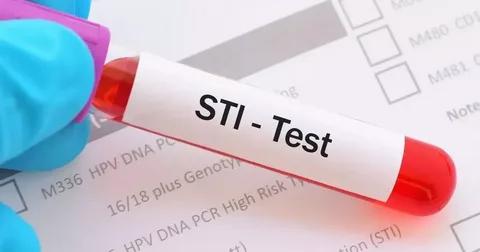
Sexual health is an important aspect of overall well-being, and STI testing is a key part of maintaining that health. Regular testing can prevent serious health issues and reduce the spread of infections. However, for many people, the idea of STI testing can be intimidating. Whether it’s fear of the unknown or embarrassment, these feelings often keep individuals from seeking the care they need. In this article, we will walk you through what to expect during an STI test, how to prepare, and why it’s so important to prioritize regular testing for your health.
Many sexually transmitted infections (STIs) can be asymptomatic, meaning you may not know you have one until it causes serious health problems. Conditions like chlamydia, gonorrhea, and syphilis can cause irreversible damage to the reproductive system if left untreated. However, most STIs are treatable if detected early. Regular STI testing helps protect your health by catching these infections early, preventing long-term complications, and ensuring you receive timely treatment.
In addition to individual health, STI testing helps protect your sexual partners by reducing the risk of transmission. Some infections, like HIV and herpes, can be transmitted even when there are no symptoms. Testing not only protects you but also helps keep your community safe from the spread of these diseases.
Urgent care centers have become a popular choice for STI testing due to their convenience, affordability, and privacy. Unlike traditional doctor’s offices or clinics, urgent care centers offer extended hours and walk-in appointments, making it easier for individuals to seek testing without disrupting their busy schedules. If you’re concerned about privacy or feeling uncomfortable at a traditional clinic, an urgent care center offers a more relaxed environment where you can get tested without judgment.
Furthermore, urgent care centers often provide quick results, which means you don’t have to wait long to find out your STI status. Many centers also offer a wide range of testing options, from blood tests to urine and swab samples, depending on what is needed for your health.
If you’re visiting an urgent care for STI testing, the process is typically simple and straightforward. When you arrive, you will be asked to provide some basic information, including your sexual history, any symptoms you’re experiencing, and the type of test you are seeking. This information will help the healthcare provider determine which tests are necessary for your situation.
The testing process itself is generally quick and minimally invasive. There are several types of tests you may undergo, depending on your symptoms, risk factors, and the healthcare provider’s recommendations.
Urine tests are commonly used to check for STIs like chlamydia and gonorrhea. During the test, you will be asked to provide a urine sample, which is then sent to a laboratory for analysis. These tests are quick, painless, and require no special preparation beyond avoiding urinating for at least one hour before the test.
Blood tests are used to detect infections such as HIV, syphilis, and hepatitis. These tests require a blood draw, which is typically done from a vein in your arm. While the process may seem intimidating, it’s quick and relatively painless. Blood tests are highly accurate and can detect infections even before symptoms appear, making them a valuable tool for early detection.
Swab tests are commonly used to check for infections like gonorrhea, chlamydia, and herpes. Depending on your symptoms, the healthcare provider may take a sample from the genital area, throat, or rectum. Swab tests are minimally invasive and usually cause only mild discomfort during the sample collection. The samples are sent to a lab for analysis, and the results are typically available within a few days.
The duration of the STI testing process depends on the type of test being performed and how busy the clinic or urgent care center is. Most tests are quick and only take a few minutes, but you may need to wait for your results. Urine and swab tests generally take a few days for results to come back, while blood tests may take a little longer, depending on the lab. Many urgent care centers provide results through a secure online portal or a phone call, so you can access your results as soon as they are available.
If your test results come back positive, don’t panic. Many STIs are treatable with antibiotics or antiviral medications. Your healthcare provider will discuss your treatment options and help you understand the next steps. In some cases, they may refer you to a specialist for further care. It’s essential to follow the treatment plan to ensure the infection is fully treated and to reduce the risk of transmission to others.
In addition, most healthcare providers will recommend informing your sexual partners so they can get tested and treated as well. While it may be difficult, being open and honest with your partners about your STI status is important for maintaining healthy relationships and preventing the spread of infections.
When you go for an STI test, one of the most important things you can do is be honest with your healthcare provider about your sexual history. This includes information about the number of partners you’ve had, whether you’ve used protection, and any symptoms you’re experiencing. Being transparent will help the provider choose the right tests for you.
It’s also important to mention any concerns you have, such as recent unprotected sex or a new sexual partner. This will help your healthcare provider understand your risk factors and ensure they recommend the appropriate tests.
While preparing for an STI test doesn’t usually require any major changes to your daily routine, there are a few simple guidelines you should follow:
Before your STI test, make sure you bring any necessary identification, insurance information (if applicable), and a list of any medications you are currently taking. It’s also helpful to bring any relevant medical history or information about symptoms you’re experiencing. This will help the healthcare provider determine which tests are necessary for you.
It’s recommended that you avoid sexual activity for at least 24 hours before your test, especially if you’re having a swab test. This ensures that the test results are accurate and that the infection is not spread to others during the testing process.
Once your test is complete, you will typically receive your results within a few days. Many urgent care centers offer a secure online portal where you can view your results as soon as they are available. Some centers may also contact you via phone or email to discuss the results.
If you test negative for all STIs, it’s a good idea to schedule regular checkups to maintain your sexual health. If you test positive, your healthcare provider will discuss the next steps for treatment and any follow-up care you may need.
If you test positive for an STI, your healthcare provider will guide you through the treatment process. Many STIs, such as chlamydia and gonorrhea, are treatable with antibiotics, while others, like herpes and HIV, require long-term management with antiviral medications. It’s essential to follow your provider’s instructions for treatment to ensure the infection is fully cleared.
In addition to treatment, your healthcare provider may recommend additional testing or follow-up visits to monitor your progress. If you’ve been diagnosed with a chronic STI, such as HIV, ongoing care is important to manage the condition and reduce the risk of complications.
STI testing is an essential part of maintaining sexual health, and it’s easier than ever to access testing through urgent care centers. Regular testing helps ensure early detection, prevents the spread of infections, and protects both your health and the health of your sexual partners. If you’re sexually active, don’t hesitate to make STI testing a regular part of your healthcare routine.
By being honest with your healthcare provider, preparing appropriately for the test, and following through with treatment, you can take control of your sexual health and protect yourself from potential complications. Remember, STI testing is a proactive step toward staying healthy, and there is no shame in seeking care.