
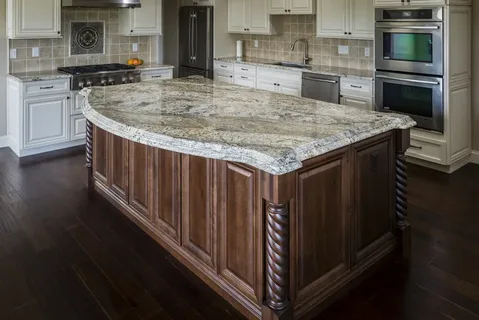
Granite countertops have become a staple in kitchens and bathrooms, prized for their elegance, durability, and wide range of design possibilities. However, like any material, granite has both pros and cons. While it offers many benefits, there are also some drawbacks that homeowners should consider before making a decision. By understanding the pros and cons of granite countertops, you can make an informed choice for your home.
Granite countertops have many advantages, making them a highly sought-after option for homeowners. One of the main reasons granite is so popular is its strength and beauty.
Granite countertops are incredibly durable, making them perfect for high-traffic areas like kitchens and bathrooms. Granite is a natural stone that is resistant to scratches, stains, and heat. Its tough surface ensures that it can withstand the wear and tear of daily life. Granite Kitchen Countertops are known to last for decades, making them a wise investment for homeowners. Additionally, granite’s natural resistance to bacteria and other contaminants makes it an ideal surface for food preparation.
Granite countertops offer a timeless, high-end appearance that can enhance the overall look of your kitchen or bathroom. With a wide variety of colors, textures, and patterns, granite complements nearly every design style. Whether you prefer the bold veining of dark granite or the subtle beauty of lighter tones, granite’s unique patterns can create a sophisticated look. Because granite is a natural stone, each slab has its own unique veining, making your countertops one-of-a-kind. This customization adds to the overall appeal and makes granite a premium choice in home design.
One of the major advantages of granite countertops is that they can increase the value of your home. Kitchen countertop suppliers often recommend granite for its appeal to potential buyers. Homes with granite countertops are seen as higher-end properties, and buyers are often willing to pay more for kitchens and bathrooms with granite surfaces. This makes granite a great long-term investment for homeowners looking to improve their property value.
Granite countertops are highly heat-resistant, which makes them perfect for kitchens where hot pans, pots, and utensils are frequently used. You can place a hot pot directly on the countertop without worrying about damaging the surface. While other materials may warp or discolor from heat, granite’s natural properties allow it to withstand high temperatures without issue.
Despite its many benefits, granite does come with a few downsides. It’s important to weigh both the pros and cons before committing to granite countertops.
Granite countertops are considered a premium option, and they come with a higher price tag than many other countertop materials, such as laminate or tile. The cost of granite can range from $40 to $100 per square foot, depending on the quality, color, and finish. Granite Kitchen Countertops sourced from exotic locations or with intricate patterns tend to be on the higher end of the price spectrum. Installation costs can also add up, as granite requires professional installation due to its weight and specialized cutting. This higher initial investment may not be suitable for everyone’s budget.
While granite countertops are durable, they do require some maintenance to keep them looking their best. Granite is a porous material, meaning it can absorb liquids if not properly sealed. To maintain its stain resistance, granite countertops must be resealed every 1-2 years. Additionally, while granite is resistant to scratches, it can still be damaged by excessive force or rough handling. Regular cleaning with a mild soap solution and avoiding harsh chemicals is essential for keeping granite in top condition. Kitchen countertop suppliers often recommend specific cleaning products for granite to avoid damaging the surface.
Although granite is highly durable, it’s not entirely indestructible. Heavy impacts, such as dropping a heavy object onto the countertop, can cause the granite to crack or chip. This is especially true for thin granite slabs or areas near the edges. While granite is heat-resistant, dropping a heavy object could result in permanent damage that may require professional repairs. Homeowners should take care when handling heavy cookware or objects on granite surfaces.
While granite countertops have some drawbacks, there are steps you can take to minimize the cons and ensure that your investment lasts for years. By following these simple tips, you can maximize the benefits of granite while mitigating its challenges.
To keep your granite countertops in optimal condition, make sure to seal them regularly. Sealing your countertops helps protect them from stains and moisture, extending their lifespan and maintaining their appearance. It’s also important to use non-abrasive cleaners and avoid harsh chemicals that can damage the surface. Regular maintenance will ensure that your granite countertops continue to look beautiful and remain functional for many years.
To avoid issues with installation, always work with professional Kitchen countertop suppliers who specialize in granite countertops. Professionals have the knowledge and tools to handle granite’s weight and intricacies, ensuring proper installation and minimizing the risk of cracks or chips. Professional installation also helps ensure that seams are properly aligned and that your granite countertops are secure.
To avoid cracks and chips, it’s important to handle your granite countertops with care. Always use cutting boards to prevent scratching and avoid placing hot pans directly on the surface. Additionally, be cautious when placing heavy objects on granite countertops to prevent potential damage.
Granite countertops offer a host of benefits, including durability, aesthetic appeal, and the potential to increase your home’s value. However, like any material, they come with some drawbacks, such as cost, maintenance requirements, and the risk of cracking. By carefully considering both the pros and cons, you can determine if granite countertops are the right choice for your kitchen or bathroom.
If you decide to move forward with granite, be sure to consult with Kitchen countertop suppliers for expert advice on choosing the best granite for your space. Whether you opt for traditional granite or a more contemporary design, granite countertops are a valuable investment that can add beauty and functionality to your home.