
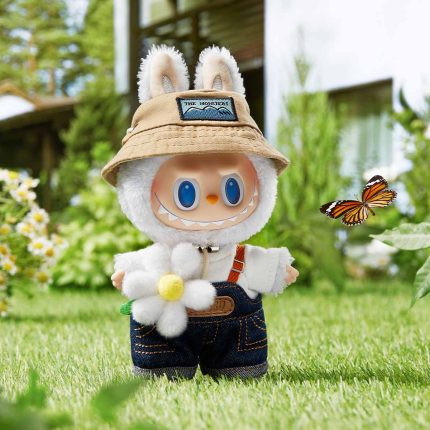
The contemporary art world in the United States has undergone a remarkable transformation over the past decade. Boundaries between fine art, pop culture, fashion, and collectibles have blurred, giving rise to new creative expressions that challenge traditional definitions of art. Among the most intriguing symbols of this shift is the growing popularity of Labubu dolls. Labubu Once considered niche designer toys admired by a small group of collectors, Labubu dolls have evolved into cultural icons that now hold a respected place within the American art scene. Their rise reflects not only changing artistic tastes but also a broader movement toward emotionally driven, story-rich, and visually distinctive art forms.
Origins of Labubu and Its Artistic Identity
Labubu dolls originate from the creative vision of artist Kasing Lung, whose imaginative storytelling and distinctive character design laid the foundation for their global appeal. Labubu is instantly recognizable with its mischievous grin, expressive eyes, and whimsical yet slightly dark aesthetic. This blend of innocence and edge sets it apart from conventional toys and places it firmly within the realm of art-driven collectibles.
In the United States, where pop art and character-based art have long been celebrated, Labubu found fertile ground. American audiences are particularly drawn to art that tells a story or evokes emotion, and Labubu’s design achieves both effortlessly. The character feels alive, as if it belongs to a larger narrative universe, inviting collectors to form a personal connection rather than simply owning an object.
Labubu and the Evolution of Designer Toys in America
The rise of Labubu dolls cannot be separated from the broader evolution of designer toys in the United States. Over the years, vinyl toys have shifted from novelty items to respected art pieces displayed in galleries and private collections. Artists such as KAWS, Ron English, and Bearbrick creators helped pave the way for this acceptance, showing that toys could function as serious art objects.
Labubu entered this space at the perfect time. American collectors were already primed to appreciate limited-edition figures, handcrafted details, and artistic storytelling. What made Labubu stand out was its emotional depth. Unlike purely graphic or abstract designs, Labubu conveyed personality, mood, and even vulnerability. This emotional resonance helped elevate the dolls from collectibles to artistic expressions that resonate with a wide audience.
Cultural Appeal and Emotional Connection
One of the strongest reasons behind Labubu’s success in the U.S. art world is its ability to create emotional connections. In an age dominated by digital experiences, people increasingly seek tangible items that feel personal and meaningful. Labubu dolls, with their expressive faces and imaginative themes, offer comfort, nostalgia, and a sense of wonder.
American collectors often describe Labubu as more than a figure on a shelf. It becomes a character with its own story, a reflection of childhood imagination, or even a symbol of individuality. This emotional attachment aligns closely with contemporary art values, where personal interpretation and emotional impact are often more important than traditional technique or realism.
Influence on Art Exhibitions and Creative Spaces
Labubu’s influence has extended beyond private collections into galleries, exhibitions, and art conventions across the United States. Designer toy exhibitions increasingly feature Labubu figures as central pieces, often displayed alongside paintings, sculptures, and digital art. This crossover has helped legitimize toy art within mainstream art circles.
Art fairs and pop culture conventions have also played a major role in spreading Labubu’s influence. These spaces allow artists and collectors to interact directly, turning the act of collecting into a shared cultural experience. For many American art enthusiasts, encountering Labubu at an exhibition serves as an entry point into the broader world of designer toys and contemporary character art.
The Role of Social Media and Digital Culture
Social media has been instrumental in accelerating the rise of Labubu dolls in the United States. Platforms like Instagram, TikTok, and Pinterest allow collectors to showcase their displays, share unboxing experiences, and discuss new releases. The visual nature of Labubu makes it particularly well-suited for these platforms, where aesthetics drive engagement.
Through social media, Labubu has become part of a global visual language. American collectors connect with fans from around the world, reinforcing the idea that Labubu is not just a toy but a cultural symbol. This digital visibility has also attracted the attention of designers, photographers, and interior stylists who incorporate Labubu into creative projects, further cementing its artistic relevance.
Labubu as a Reflection of Contemporary Art Values
The rise of Labubu in the U.S. art world reflects broader changes in how art is defined and consumed. Today’s audiences value authenticity, creativity, and emotional storytelling over traditional prestige. Labubu embodies these values perfectly. It does not rely on classical techniques or elite institutions for validation. Instead, it thrives on personal connection and cultural relevance.
This shift mirrors the democratization of art itself. Collectors no longer need to invest in expensive paintings or sculptures to participate in the art world. A Labubu doll offers accessibility without sacrificing artistic depth. It represents a form of art that is inclusive, playful, and deeply human.
Impact on Collecting Culture in the United States
Labubu has also influenced how Americans approach collecting. Rather than focusing solely on monetary value, many collectors are drawn to the narrative and emotional meaning behind each piece. Limited editions, themed releases, and collaborations add layers of storytelling that make each figure feel unique.
This approach has encouraged mindful collecting, where individuals choose pieces that resonate with their identity or aesthetic preferences. In this way, Labubu has helped reshape collecting from a purely investment-driven activity into a form of personal expression and creative engagement.
The Future of Labubu in the American Art Scene
As the lines between art, design, and pop culture continue to blur, Labubu’s presence in the United States art world is likely to grow even stronger. LABUBU Box Its adaptability allows it to evolve alongside changing trends while maintaining its core identity. Whether through gallery exhibitions, collaborative projects, or digital art integrations, Labubu is well-positioned to remain relevant.
The growing appreciation for character-based art suggests that Labubu’s influence will extend beyond collectibles into broader artistic movements. It represents a new generation of art that values imagination, emotion, and storytelling as much as technique and tradition.
Conclusion
The rise of Labubu dolls in the United States art world is a reflection of a deeper cultural shift. What began as a designer toy has become a symbol of modern artistic expression, blending emotion, creativity, and accessibility. Labubu’s success highlights how art continues to evolve, embracing new forms and voices that resonate with contemporary audiences. As collectors, artists, and enthusiasts continue to celebrate its charm, Labubu stands as a testament to the power of imagination in shaping the future of art.