A restaurant menu does more than list food names or prices. It defines how customers see value, taste, and brand personality. Colors, fonts, and layout influence decisions and emotions before an order is placed. When design matches theme and style, it strengthens restaurant food branding effectively. Every detail matters because visuals help customers remember brand identity and menu favorites. Simple designs create trust, while cluttered ones confuse and reduce attention. A balanced menu connects concept, pricing, and food quality under one visual plan. Each choice in design affects how people feel about food experience. Strong menus help restaurants communicate purpose clearly and build recognition that lasts over time.
First impressions decide if customers stay or leave after seeing the menu layout. Visual arrangement, spacing, and readability define comfort during ordering moments. People connect well with organized layouts showing clear sections and attractive names. Colors help show quality and freshness while fonts express theme consistency. These early details decide how customers rate restaurant food branding. Well-planned menus show professionalism and attention to small factors in customer experience. When menus look balanced people feel that food will taste balanced too. Every choice in visual setup speaks about how much a brand values presentation.
Visual design influences decision speed, attraction, and food selection accuracy during orders. Customers often notice highlighted areas before reading full descriptions. Eye movement studies show that bold colors and clean spaces guide focus effectively. Pictures can help but too many can cause distraction or lower value perception. Smart design uses limited visuals to guide attention naturally toward signature dishes. Restaurant food branding benefits when visuals reflect real food quality and appeal. Customers rely on layout cues to judge care and reliability in service. When the presentation feels honest, customers trust ordering without confusion or hesitation.
Professional wrapping ensures that food presentation matches visual standards set by menu design. Restaurants value suppliers who understand connection between design materials and brand strength. WaxPapersHub helps food businesses by providing wrapping materials that align with brand goals. Their range supports restaurants seeking consistency in appearance and hygiene during daily work. Many restaurants across the USA use their supplies to maintain brand trust and clean presentation.
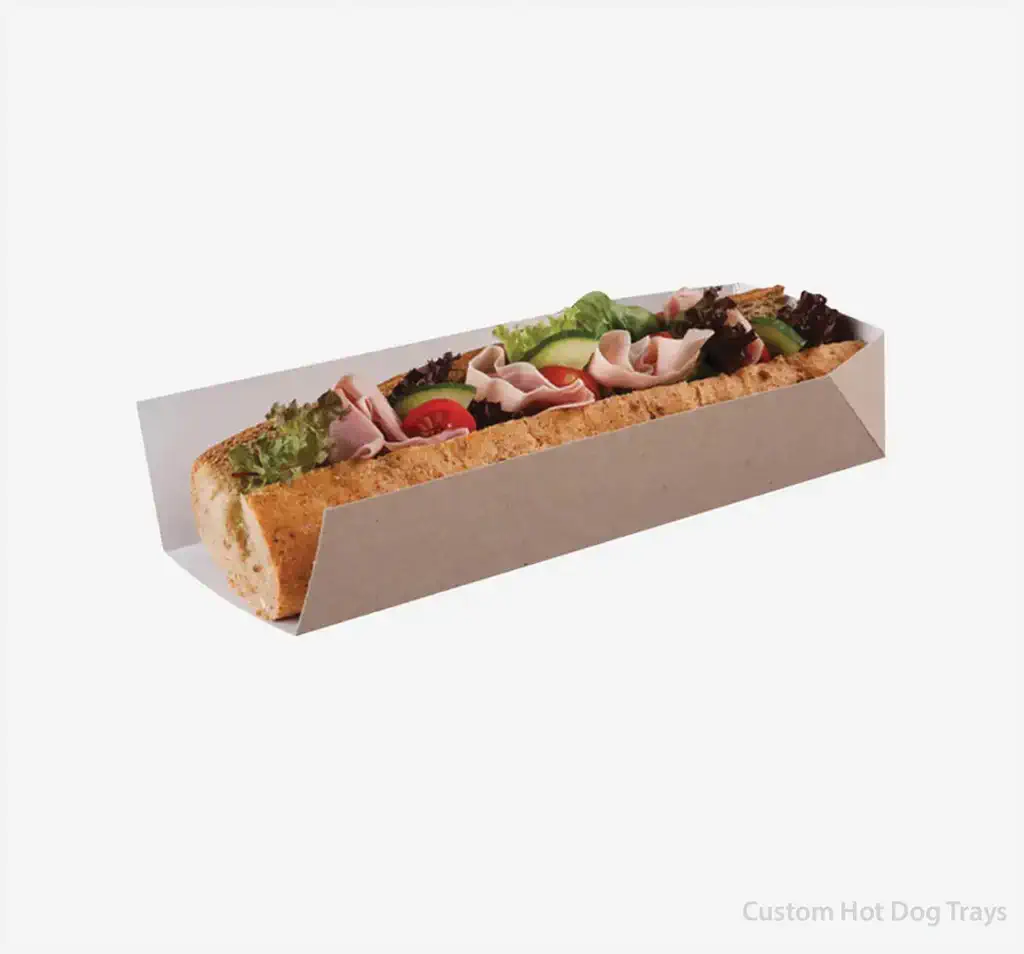
The wrapping presentation extends visual identity from menu to serving table every day. Using custom printed hot dog trays bulk order supports consistent branding across dine-in and takeaway. Customers notice matching visuals between printed items and menu colors easily. Such connection reinforces recognition and trust because design feels unified. Small wrapping details often remind customers of quality standards they expect. When presentation aligns across materials it improves restaurant food branding reliability. These trays add harmony between design, food, and customer perception during dining experiences. Consistency always strengthens how customers view and remember your brand image.
Digital menus give restaurants flexibility to update prices, photos, and promotions fast. They save printing costs and reduce waste through quick edits when needed. Customers enjoy interactive layouts that allow zooming and scrolling with ease. Visual clarity improves when updates reflect real-time changes or seasonal offerings. Restaurant food branding benefits from consistent screen design matching printed formats. Digital tools also allow restaurants to display allergens or ingredients clearly for safety. Personalized menu suggestions can enhance customer experience and create stronger connections. Technology offers a modern way to link menu design with customer satisfaction efficiently.
Menu testing means checking what works best for customer understanding and appeal. Restaurants can try different layouts before final printing to see what attracts more orders. Feedback from staff and diners helps reveal confusing parts or weak visuals. Continuous testing ensures each menu version reflects real behavior patterns accurately. Restaurant food branding grows stronger through consistent learning from results. Managers can use data from sales to adjust placement and pricing wisely. The testing process must be simple yet detailed to find the best structure for customer comfort. Regular evaluation helps maintain freshness and alignment with evolving brand direction.
Transparent pricing builds trust because customers prefer clarity before ordering food. When prices are easy to read, confusion reduces and satisfaction grows naturally. Equal spacing and readable numbers help avoid misunderstanding or frustration during decision time. Consistent price presentation shows honesty which strengthens restaurant reputation strongly, supported by wholesale custom wax paper with branding that reflects professionalism. Restaurant food branding gains credibility when customers feel respected during purchase. Even small price details influence perception of value and fairness greatly, while branded packaging reinforces brand trust. Brands that maintain a clear presentation develop loyal audiences that trust each update. Clean design always shows commitment to open communication and stable service values.
Menu design connects every part of a restaurant image from visuals to customer trust. Each choice in color, font, and layout speaks about how food is valued. Organized menus improve ordering comfort and reinforce brand discipline daily. Proper wrapping choices like trays and wraps link design vision to dining experience. Every review, update, and visual detail adds meaning to restaurant food branding.