
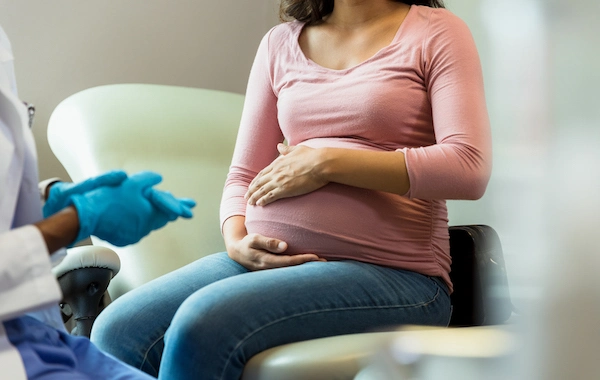
Pregnancy is usually a happy and exciting time for a woman and her family. It is a period filled with hope, planning, and emotional moments. Most pregnancies progress smoothly with routine medical care and healthy lifestyle choices.
However, some pregnancies need extra medical attention to keep both the mother and baby safe. This is where high-risk pregnancy care in dubai becomes important, offering advanced monitoring, expert doctors, and specialized support throughout the journey.
This detailed guide explains what a high-risk pregnancy means, why special care is needed, and what expecting mothers can expect from professional high-risk pregnancy services in Dubai.
Understanding High-Risk Pregnancy
A high-risk pregnancy means that the mother, the baby, or both have a higher chance of health problems during pregnancy, delivery, or after birth. This does not mean that something will definitely go wrong. It simply means that extra care, regular monitoring, and expert guidance are required.
Many women with high-risk pregnancies go on to deliver healthy babies. With the right medical support, risks can be managed well, and outcomes can be positive.
Common Reasons a Pregnancy May Be High Risk
There are many reasons why a pregnancy may be classified as high risk. Some are present before pregnancy, while others develop during pregnancy.
Certain medical conditions can increase pregnancy risks, such as:
These conditions need close medical supervision to prevent complications.
Pregnancy at these ages may require extra care due to higher chances of complications.
Some issues develop during pregnancy, including:
All these factors may lead doctors to recommend specialized pregnancy care.
Why Specialized Care Is Important
High-risk pregnancies require more than routine check-ups. Specialized care focuses on early detection of problems and timely medical intervention.
The main goals are:
With proper care, many risks can be controlled before they become serious.
What Makes High-Risk Pregnancy Care in Dubai Advanced
Dubai is known for its modern healthcare system, advanced medical technology, and skilled specialists. High-risk pregnancy services are designed to provide comprehensive care from early pregnancy to delivery.
Some key features include:
This integrated approach helps ensure the best possible outcomes.
First Consultation: What to Expect
The first visit for a high-risk pregnancy is usually more detailed than a regular prenatal visit.
The doctor will ask about:
This information helps identify potential risks early.
A thorough examination is done to check blood pressure, weight, and overall health.
You may be advised to undergo:
These tests help assess both maternal and fetal health.
Regular Monitoring and Frequent Check-Ups
One of the main aspects of high-risk pregnancy care is frequent monitoring. You may need more visits than in a normal pregnancy.
Regular scans help monitor:
These tests help track sugar levels, infections, and other health indicators.
Special tests may be done to check the baby’s heart rate and overall well-being.
Regular monitoring allows doctors to detect problems early and take timely action.
Personalized Care Plans
Every high-risk pregnancy is different. Care plans are customized based on individual needs.
A personalized plan may include:
This tailored approach ensures that both mother and baby receive the right level of care.
Managing Common High-Risk Pregnancy Conditions
Women diagnosed with gestational diabetes receive guidance on:
Proper management helps reduce risks during delivery.
Care focuses on:
Twin or multiple pregnancies need:
Emotional and Mental Health Support
High-risk pregnancy can be emotionally challenging. Anxiety, fear, and stress are common.
Quality care also includes:
Feeling supported and informed helps reduce stress and promotes overall well-being.
Role of Nutrition and Lifestyle
Healthy habits play a big role in managing high-risk pregnancies.
Women are advised on:
Safe exercises may be recommended, depending on the condition.
Adequate rest and relaxation techniques are important for maternal health.
Planning for Delivery
Delivery planning is a crucial part of high-risk pregnancy care.
Doctors will discuss:
Hospitals in Dubai are well-equipped to handle emergencies, ensuring quick response if complications arise.
Post-Delivery Care
Care does not end after delivery. Postpartum monitoring is essential, especially for high-risk cases.
Proper post-delivery care helps ensure long-term health for both mother and child.
Benefits of Early and Consistent Care
Choosing specialized care early in pregnancy offers many benefits:
Consistent care builds trust between the patient and medical team.
When to Seek Immediate Medical Help
Women with high-risk pregnancies should seek immediate help if they experience:
Timely medical attention can prevent serious complications.
Final Thoughts
A high-risk pregnancy may feel overwhelming, but with the right medical support, it can be managed safely and confidently. Understanding the care process, staying informed, and following medical advice are key to a healthy pregnancy journey.
For women seeking trusted and professional guidance, high-risk pregnancy in dubai offers advanced facilities, experienced specialists, and personalized support. In the conclusion, it is worth mentioning that expectant mothers looking for expert care and compassionate guidance can consider consulting Dr. Neha Lalla, who provides dedicated support for women experiencing high-risk pregnancies.